
News analysis ·
China's central bank keeps buying gold: why FX cares
China's central bank has added gold for 23 straight months, CNBC reports. We explain reserves, the dollar link and what it means for the yuan.
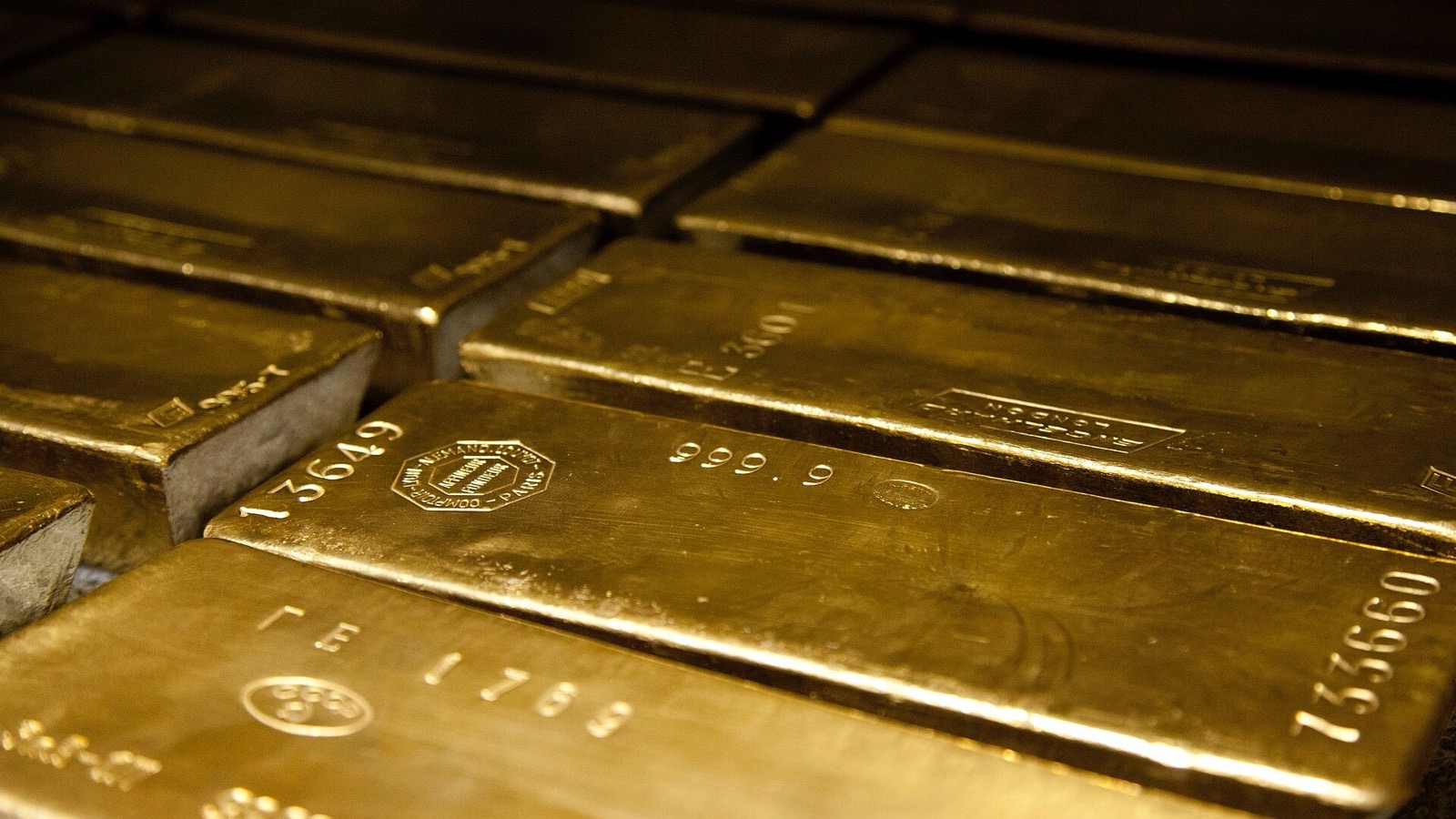
The People's Bank of China, the country's central bank, has added gold to its reserves for 23 straight months, CNBC reported. In September it bought about 23 tonnes, its largest monthly addition in almost three years. This article explains what central bank reserves are, why swapping dollars for gold matters to currency markets, and how a beginner should read this kind of story.
What China's central bank has been doing
According to CNBC, citing State Administration of Foreign Exchange figures, the September purchase extended the longest run of central bank gold buying in China since at least 2015. The official numbers may not tell the whole story. Julius Baer analyst Carsten Menke estimated that purchases reached around 190 tonnes in 2026 up to end-August, of which 110 tonnes were not officially reported.
At the same time, China has been holding fewer US government bonds. US Treasury data cited by CNBC show Chinese holdings of Treasurys fell to $618 billion in July, an 18-year low, as Beijing spread its foreign-exchange reserves across more assets. According to the World Gold Council, China held 2,387 tonnes of gold as of August. That makes it the fifth-largest holder, but with under a third of what the US holds.
Gold imports are rising too. Customs figures cited by CNBC show China paid a record $158.8 billion for more than 1,000 tonnes of imported gold in the first eight months of 2026. That already tops all of 2025, when China imported 886 tonnes worth $96.5 billion. CNBC linked this to Chinese savers lacking safe places to put their money. China's one-year government bond yield was near 1.2%, compared with about 4.46% in the US.
What reserves are, and why a central bank would swap dollars for gold
Foreign-exchange reserves are a central bank's savings held outside its own currency. They are usually kept in major currencies such as the US dollar, often as government bonds, plus some gold. A central bank uses them to pay for imports in a crisis, to calm its own currency when it swings too fast, and to show markets it can meet its obligations.
Dollar bonds are easy to trade and pay interest; gold pays none. So why switch? Menke told CNBC the motive is mainly political: fears that the US dollar can be used as a weapon, and a wish to hold fewer US Treasuries. CNBC pointed to the example of Western governments freezing Russian central bank assets after the 2022 invasion of Ukraine. Gold kept in a nation's own vaults cannot be frozen that way. ING strategist Ewa Manthey said central banks hold gold for the long run and react far less to price swings than retail buyers.
Why currencies care: dollars, yuan and the price of gold
A currency pair shows how much of one currency buys another. In USD/CNY, the dollar is the base currency and the yuan is the quote currency. The price tells you how many yuan one dollar costs. If that number rises, the yuan has weakened against the dollar.
Gold is priced around the world in dollars. So a Chinese buyer pays in yuan for something quoted in dollars. When the yuan weakens, each ounce of gold costs more yuan, even if the dollar price of gold has not moved. That is why Saxo Bank's Ole Hansen said a weaker yuan, or higher deposit rates at Chinese banks, could cool Chinese demand.
Interest rates matter too. Gold pays nothing, so holding it means giving up the interest you could earn elsewhere. Hansen put it this way: "The opportunity cost of holding gold is also much lower in China than in many Western markets". CNBC also reported that the Federal Reserve has signalled another rate hike may come in 2026, and noted that gold usually falls when rates rise. Rates, currencies and gold are pulled by the same forces, which is why central bank news can move all three on the same day.
Beginner risk check
Reserve stories move slowly, but central bank and rate headlines can still make a single day rough for small accounts.
- Volatility: central bank news can make the dollar, the yuan and gold jump in minutes, and prices can gap past the level you planned to exit at.
- Spreads: brokers often widen the gap between the bid and ask price around big news, so the same trade can cost more to open and close.
- Leverage: borrowed exposure turns a small move into a large share of your account, so leveraged forex trading can lose money quickly. On news days, the safest choice for a beginner is often to watch from a demo account.
What could change the picture
Hansen told CNBC that a bigger shift would need central banks to stop diversifying their reserves and geopolitical tension to fade, and he did not see either as close. For a learner, the useful habit is to follow the reasons a central bank gives, not to guess where prices go next.
Sources
- CNBC, 12 Oct 2026
This article was produced by AI from the cited sources and published automatically after automated checks (figures traced to sources, no copied phrasing); it was not edited by a person. It is beginner education, not trading advice.