
News analysis ·
ECB's Vujcic on AI and Debt Risks: What It Means for EUR
ECB's Boris Vujcic named AI and sovereign debt as top euro area risks, with inflation at 4%. How such warnings can touch the euro, explained.
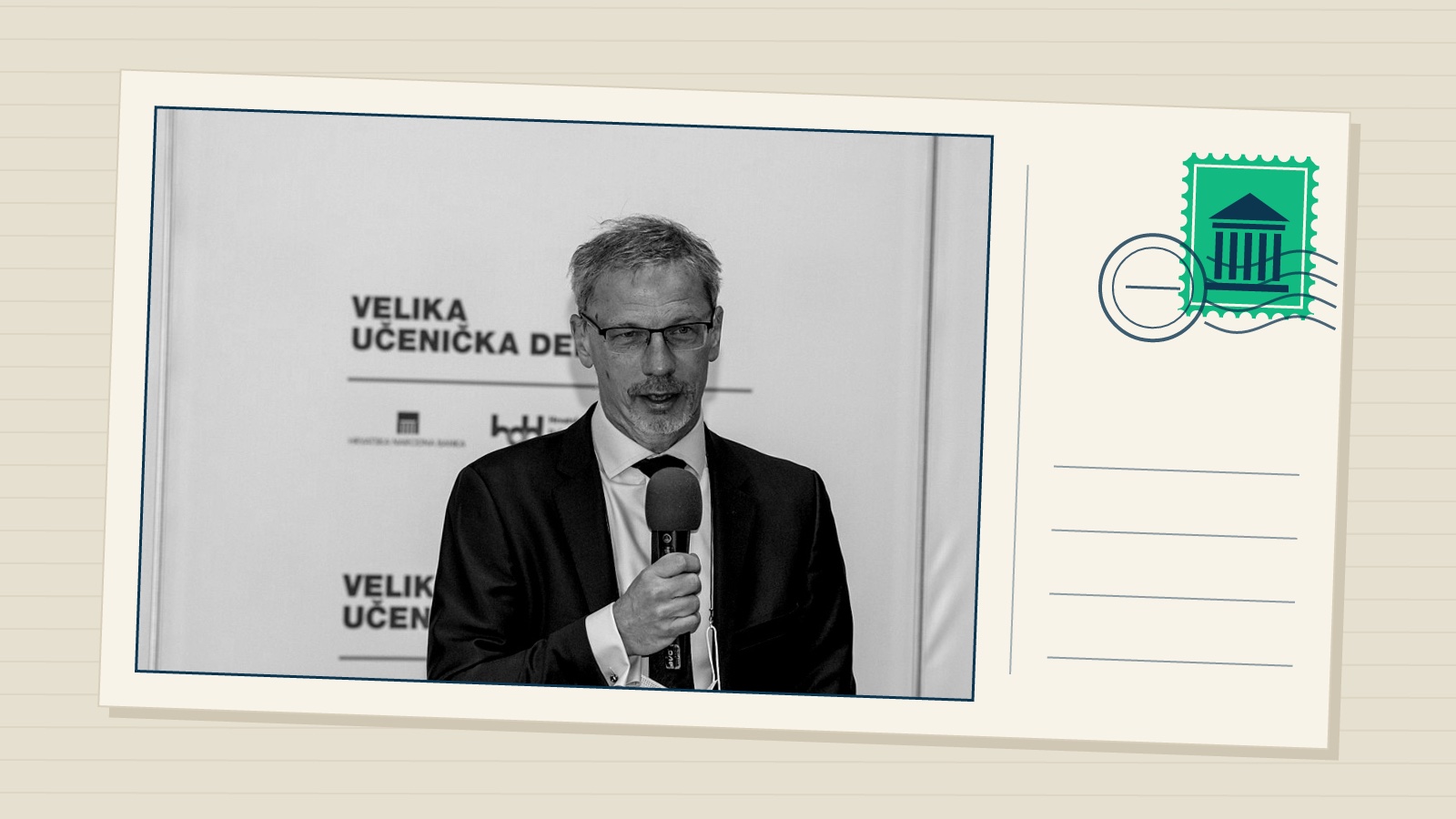
A senior European Central Bank official, Boris Vujcic, has warned that artificial intelligence and government debt are the two risks that now stand out most for the euro area, compared with a year earlier. He also noted that euro area inflation rose to 4% in October. This article explains what he said, why currency traders pay attention to speeches like this, and why a beginner should read them as a risk signal, not a trade idea.
What the ECB official said
Vujcic opened Frankfurt Euro Finance Week with a speech that the ECB published on 2026-11-16. The timing matters. It came two days before the ECB's next Financial Stability Review, or FSR, a regular report on what could go wrong in the financial system.
His headline point was about how Europe finances itself. "My key message today is that Europe needs more market-based finance." In plain terms, he wants companies to raise more money from investors and markets, not only from banks. But he added a condition: if funds and other non-banks play a bigger role, the rules that watch over the whole system must get tougher too.
Compared with a year earlier, he said two risks now stand out. The first is AI. Big US technology companies are expected to spend a combined USD 5.5 trillion on capital projects by 2030, and AI borrowing may keep growing. He described the market dip after the US mid-term elections as contained, but said it was a reminder to stay careful about AI valuations. The second risk is government debt. Concerns about whether some countries can keep servicing their debt have already pushed long-term government bond yields sharply higher in several euro area and other advanced economies.
Inflation and growth in the background
According to the ECB speech, headline inflation in the euro area was 4% in October, up from 3.8% in September. Most of that rise came from energy. Vujcic tied higher energy prices to the continuing war in the Middle East and said trade policy uncertainty has not eased much.
He also gave the other side. Underlying inflation, which strips out volatile items like energy, stayed broadly steady, and wages have not reacted in a material way so far. The economy kept growing in the third quarter, though more slowly than in the second. He expects weaker confidence and higher borrowing costs to hold growth back, which should partly offset the upward pressure on prices.
Why currencies care
A currency is priced in pairs. In EUR/USD, the euro is the base currency and the US dollar is the quote currency. The rate shows how many dollars one euro buys. News that changes investor mood can move it.
Three links are worth knowing. First, inflation and interest rates. A central bank that worries about rising prices may keep rates higher for longer. Higher expected rates can make a currency more attractive to hold, in principle. Second, government bond yields. A yield is the return an investor earns on a bond. Yields can rise for good reasons, like expected rate hikes, or for worrying reasons, like doubts about a government's finances. The second kind can weigh on a currency rather than support it. Third, capital flows. Vujcic noted that large Japanese investors might sell more euro area government bonds if yields in Japan rise. When big investors move money out of a region's bonds, they may also sell that region's currency.
The key lesson for a beginner is that the same headline can push a currency either way. Higher inflation might suggest higher rates, which could help the euro. Rising debt fears might hurt it. Markets weigh these forces at the same time, and nobody knows in advance which will win on a given day.
Beginner risk check
Speeches and stability reports rarely announce a rate change. Yet they can still move prices when they shift expectations. Before trading around days like this, keep these points in mind.
- Volatility: prices can jump in both directions within minutes of a speech or report, and a fast move can run past where you planned to exit.
- Spreads: the gap between the buy and sell price often widens around major news, so a trade can start further in the red than usual.
- Leverage: borrowed exposure magnifies every move, and on news days a small swing in EUR/USD can become a large loss in your account.
Leveraged forex trading can lose money quickly. Many beginners choose to watch news days from the sidelines, or practise on a demo account, until they understand how their account reacts to sudden moves.
What comes next
The next scheduled item is the ECB's Financial Stability Review itself. Vujcic also outlined the kind of fixes the ECB has in mind for non-banks. These include bigger liquidity buffers that money market funds can actually use in a crisis, and possible leverage limits or minimum margins for hedge funds. Euro area banks, he said, hold strong capital and liquidity, while resilience among non-banks is more mixed.
His wider warning was about timing. AI, government debt and non-bank risks could hit together and spread from one market to another. For a forex beginner, that is a reason to watch the calendar closely, not a signal to take a position.
Sources
- ECB, 16 Nov 2026
This article was produced by AI from the cited sources and published automatically after automated checks (figures traced to sources, no copied phrasing); it was not edited by a person. It is beginner education, not trading advice.