
News analysis ·
Fed's Warsh gives no rate hint: what beginners should read
Fed chair Kevin Warsh refused to signal the October rate decision. How to read a central bank that drops guidance, and why it matters for the dollar.
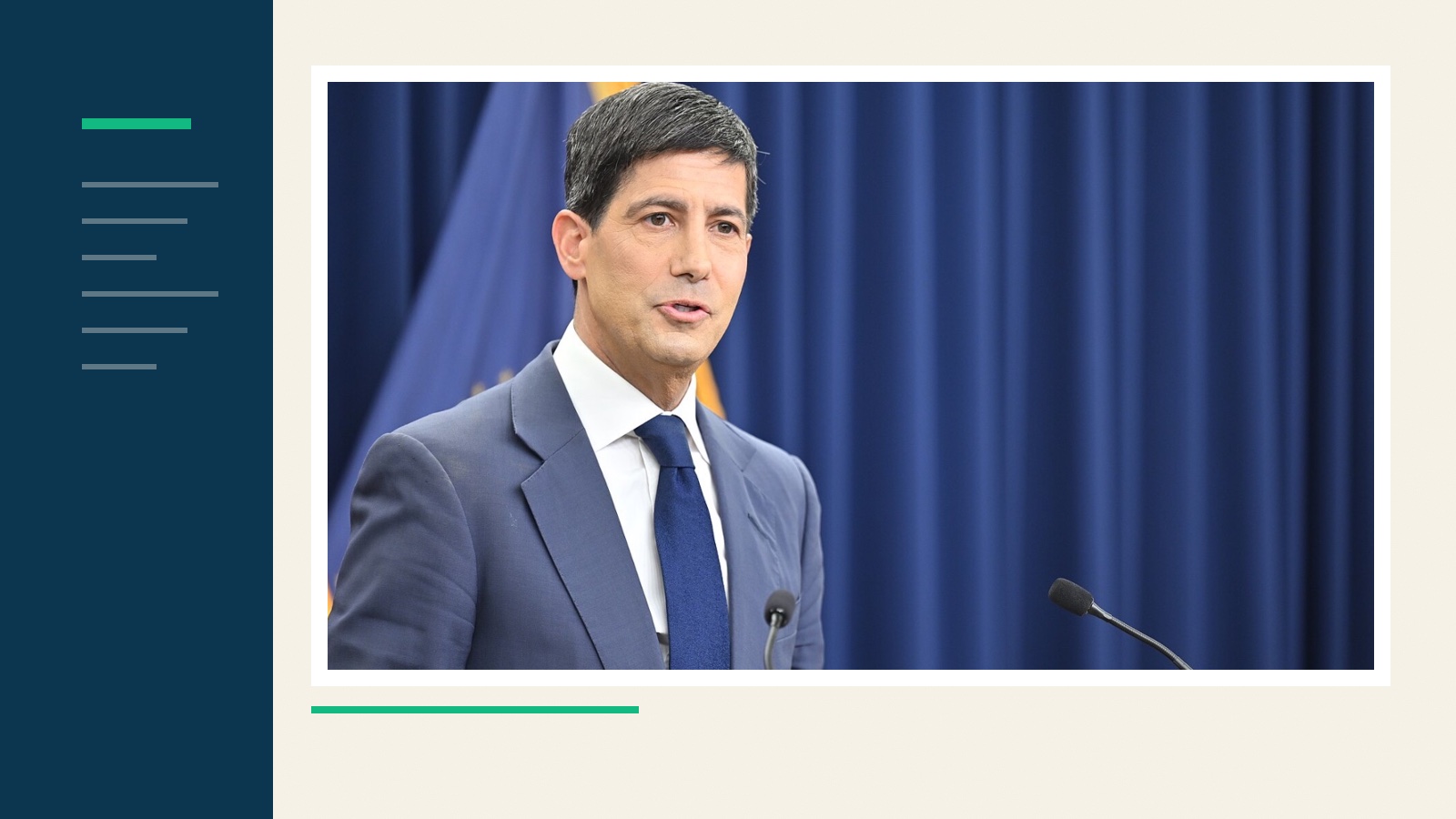
Federal Reserve Chairman Kevin Warsh declined to say whether the Fed will raise interest rates again at its meeting later this month, CNBC reported. He said he does not decide meetings in advance and that the Fed no longer offers markets a steer. This article explains what that change means, how the Fed's rate links to the US dollar, and why the days around a Fed decision deserve extra care from beginners.
What Warsh said, and what he would not say
Warsh spoke on Friday in Bangkok, in a fireside chat with IMF chief Kristalina Georgieva during the annual IMF and World Bank gathering. CNBC described it as his last public appearance before the October meeting, so many people were listening for a clue. They did not get one.
He repeated his opposition to forward guidance. That term means a central bank telling markets ahead of time what it is likely to do with rates. Warsh argued that markets should read the economic data themselves. He accepted that some people would be disappointed. In his words, "It's a new chapter at the Fed [and] we're not in that business anymore".
He also said most central banks are tightening policy at the same time, each under its own mandate, so no country gets a free ride on inflation. Tightening means raising rates or keeping them high to slow price rises.
Where rates stand and what markets expect
Last month the Fed moved its policy rate up to 3.75% to 4%. It was the first increase since 2023. The next meeting is on Oct. 27-28.
According to CME FedWatch, traders price a 72.3% chance that the Fed leaves rates unchanged in October, and most expect a 25 basis point hike in December. A basis point is one hundredth of a percentage point. A Goldman Sachs team led by Jan Hatzius wrote that comments from Warsh and other Fed officials point to an October pause, with a second and final hike still expected in December.
CNBC noted that recent data may say more than Warsh did. September producer prices in the US were up 6.3% on the year, above a 5.5% forecast. Consumer inflation for September came in at 3.7% against a 3.6% forecast. Right after the speech, the market reaction was small: stock futures rose slightly and Treasury yields barely moved.
Why currencies care about a quiet Fed
A currency is partly a price for holding money in one country instead of another. When a central bank pays a higher interest rate, holding that currency can become more attractive, all else being equal. So news that makes a rate rise more likely can, in principle, support the currency. News that makes it less likely can weigh on it. It is a tendency, not a rule.
Forward guidance used to soften those moves. If a central bank hinted at its next step weeks ahead, much of the news was already in prices on decision day. When a Fed chair refuses to hint, more of the information arrives at once: in the data releases and in the decision itself. That can make the reaction in pairs that include the US dollar, such as EUR/USD or USD/JPY, sharper and harder to read.
For a beginner, the practical lesson is how to read this kind of news. Separate three things: what the central bank actually did, what officials said, and what markets expect. A 72.3% chance of no change is a market estimate, not a promise. It can shift quickly when a new inflation number lands.
Beginner risk check
The days before and after a Fed decision, and the hours around big inflation releases, are some of the riskiest times to have money in the market.
- Volatility: with no guidance from the Fed, a surprise in data or in the decision can move dollar pairs fast and in either direction, sometimes reversing within minutes.
- Spreads: the gap between the buy and sell price often widens around major releases, so a trade costs more to open and close than on a calm day.
- Leverage: borrowed exposure magnifies every move. Leveraged forex trading can lose money quickly: a small jump against you can trigger a margin call or a stop-out before you can react.
A demo account lets you watch how prices behave on these days without risking real money.
What comes next
The Fed meets on Oct. 27-28. Warsh has said he will not pre-announce his choice, so the decision and the statement that follows are where the news will be. Whatever the outcome, the useful habit is the same: read what was decided, compare it with what was expected, and treat the moment of release as a high-risk period.
Sources
This article was produced by AI from the cited sources and published automatically after automated checks (figures traced to sources, no copied phrasing); it was not edited by a person. It is beginner education, not trading advice.